
The Complete Guide to LEV Testing Services for UK Workplaces
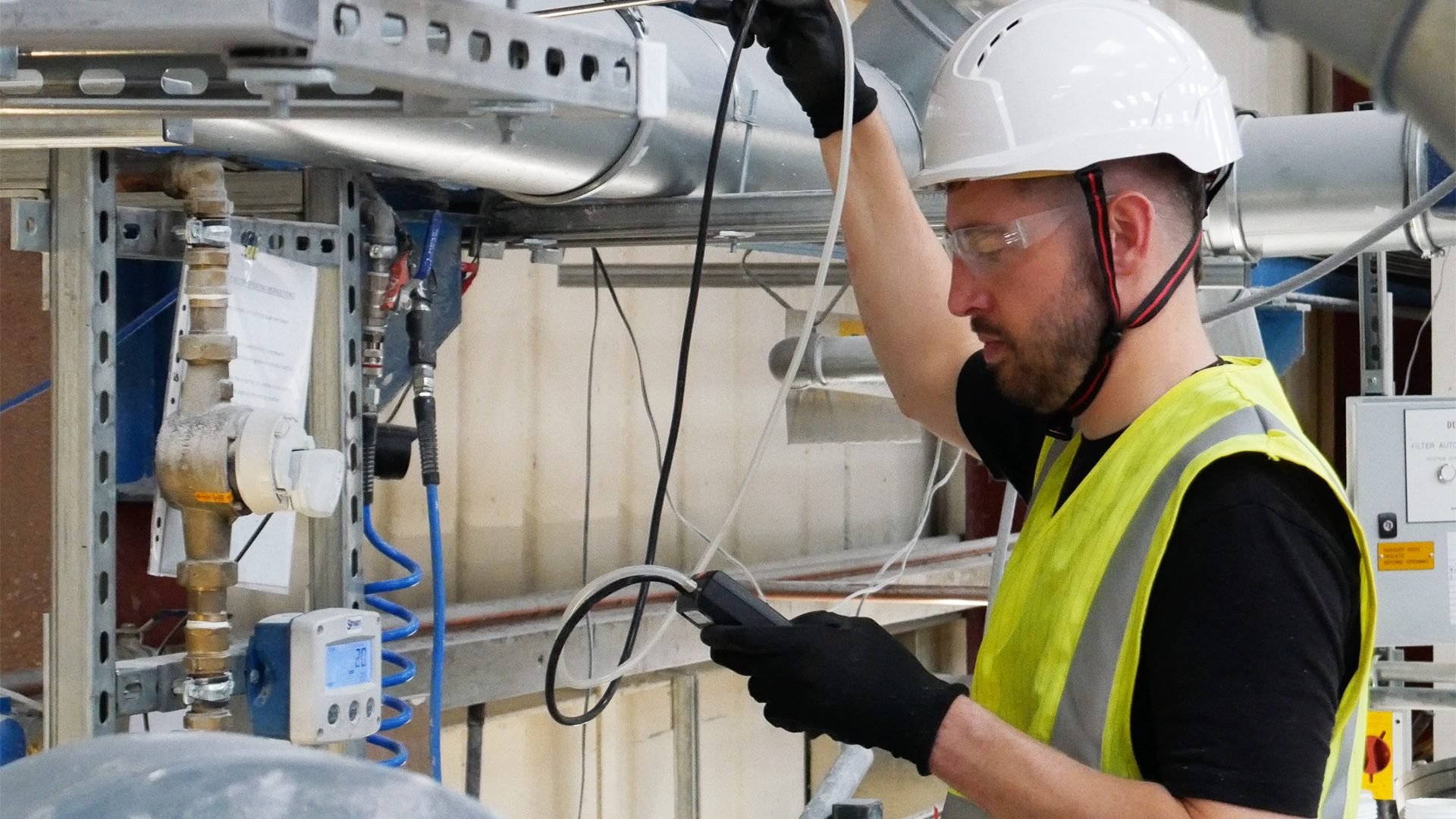
If you run a business where workers are exposed to dust, fumes, vapours, or airborne particles, you have a legal and moral obligation to protect them. One of the most effective ways to do that is through a properly maintained Local Exhaust Ventilation system and making sure it actually works through regular LEV testing services.
This guide covers everything you need to know: what LEV systems are, why testing matters, what the law says, and how to make sure your workplace stays safe and compliant.
What Is a Local Exhaust Ventilation System?
A Local Exhaust Ventilation system, commonly known as an LEV, is a type of engineering control used to capture and remove hazardous substances from the air before workers breathe them in. These systems are found across a wide range of industries from woodworking and welding to pharmaceutical manufacturing, food production, and automotive workshops.
An LEV system typically consists of a hood or capture point, ducting, a filter or air cleaner, and a fan or motor. Together, these components draw contaminated air away from the worker's breathing zone and either filter it or vent it safely outside.
When an LEV system is working correctly, it is one of the most reliable ways to control airborne hazards. When it is not working correctly, it can give workers and employers a false sense of security which is arguably more dangerous than having no system at all.
Why LEV Testing Services Matter
Installing an LEV system is only the beginning. Over time, components wear out, filters become clogged, ducts develop leaks, and airflow rates drop below safe levels. A system that looked perfectly functional last year may no longer be performing adequately today.
This is where LEV testing services come in. A thorough test examines every part of the system to confirm it is capturing contaminants effectively and performing to its original design specification. It is not simply a visual check it involves measuring airflow, checking static pressure, inspecting all components, and comparing results against the system's design standard.
Without regular testing, there is no way to know whether your LEV system is genuinely protecting your workers. A poorly performing system does not always look broken. Fans can still spin, air can still move, and workers can still feel a draft while the system fails to capture the majority of hazardous particles.
What the Law Says: COSHH LEV Testing Requirements
The legal framework for LEV testing in UK workplaces is found within the Control of Substances Hazardous to Health Regulations 2002, commonly referred to as COSHH. COSHH LEV testing is not optional it is a statutory requirement for any business that uses LEV systems to control exposure to hazardous substances.
Under Regulation 9 of COSHH, every LEV system must be examined and tested at least once every 14 months. Certain industries and processes require more frequent testing — for example, processes involving specific substances such as isocyanates or blasting operations may require testing every month or every six months.
The regulations also require employers to keep records of every examination and test for at least five years. These records must include the date of the examination, the condition of the system, any defects found, and any remedial action taken.
Failing to meet COSHH LEV testing requirements can result in enforcement action by the Health and Safety Executive, including improvement notices, prohibition notices, and significant fines. More importantly, failing to test means workers may be exposed to substances that cause serious and irreversible health conditions, including occupational asthma, lung disease, and cancer.
What Happens During an LEV Test?
Many employers are unsure what to expect when they book LEV testing services. Understanding the process helps you prepare your workplace and make the most of the visit.
A competent LEV tester will typically follow a structured process that includes the following stages.
Initial review and documentation check. The tester will begin by reviewing previous test reports, design specifications, and any maintenance records. If this is the first test or records are not available, the tester will assess the system from scratch.
Visual inspection. Every component of the system is visually inspected hoods, ducting, joints, filters, and the fan unit. The tester will look for signs of wear, damage, corrosion, blockages, or poor installation.
Airflow measurement. Using specialist equipment, the tester will measure air velocity and volume flow rates at various points in the system. These measurements are compared against the original design specification to determine whether the system is performing as intended.
Capture efficiency assessment. In some cases, the tester will use smoke or tracer techniques to assess whether the hood is actually capturing contaminants effectively at the point of generation.
Filter and motor inspection. The condition of filters, motors, and fan blades is assessed. A clogged filter or a worn motor can significantly reduce system performance.
Reporting. Once testing is complete, the tester will produce a written report detailing the condition of the system, the results of all measurements, any defects identified, and recommendations for remedial action.
Understanding Your LEV Test Report
After LEV testing services are carried out, you will receive a formal examination report. This document is important not just for compliance purposes but as a practical tool for maintaining your system.
The report will typically classify the system's condition using a simple rating either satisfactory, requires attention, or requires immediate action. Any defects found will be listed along with their severity and the recommended timeframe for repair.
If defects are found, it is essential to act on them promptly. Identifying a fault during testing is only useful if corrective action follows. Leaving a known defect unaddressed could increase your liability significantly if a worker suffers a health problem as a result.
Keep your reports filed carefully and accessible. HSE inspectors may ask to see them, and they serve as evidence that you are meeting your COSHH duties.
LEV Installation UK: Getting It Right from the Start
Testing is only as meaningful as the quality of the system being tested. If an LEV system has been poorly designed or incorrectly installed, no amount of maintenance will make it perform effectively.
LEV installation in the UK must be carried out by competent professionals who understand both the engineering requirements and the specific hazards of your workplace. A well-designed system starts with a thorough assessment of the process, the substances involved, the airflow required, and the physical layout of the workspace.
Poor LEV installation in UK workplaces is more common than many employers realise. Common installation mistakes include undersized fans, hoods positioned too far from the contamination source, ducting with too many bends causing resistance, and inadequate filter capacity. These problems may not be immediately obvious, which is why the first professional test after LEV installation in the UK is particularly important.
When commissioning a new system, ask the installer to provide a full design specification and commissioning report. This document becomes the baseline against which all future tests are measured. Without it, testers have no reference point and must work with less certainty about whether the system is performing as designed.
Industries That Rely on LEV Testing Services
While LEV systems are relevant across many sectors, some industries have particularly high exposure risks and a stronger tradition of LEV use.
Woodworking and joinery. Wood dust is classified as a carcinogen and is one of the most common causes of occupational asthma in the UK. Workshops generating wood dust are required to use LEV systems and keep them in good working order.
Metalworking and welding. Welding fumes, metalworking fluids, and grinding dust all pose serious respiratory risks. LEV systems in these environments often require more frequent testing due to the intensity of exposure.
Automotive and bodywork. Spray painting, sanding, and filler work generate fine particles and chemical vapours that LEV systems must capture effectively.
Pharmaceutical and chemical industries. Precise airflow control is critical in these environments, where exposure to even small quantities of certain substances can be harmful.
Food processing. Flour dust, spice dust, and other fine food particles are respiratory sensitisers that can cause occupational asthma. Bakeries and food manufacturers rely on LEV systems to protect workers on production lines.
How to Choose a Competent LEV Testing Provider
Not everyone offering LEV testing services has the knowledge and equipment to carry out a thorough and reliable assessment. Choosing a competent provider is essential.
Look for testers who hold relevant qualifications and can demonstrate familiarity with COSHH regulations and HSE guidance documents, particularly HSG258 the HSE's guidance on controlling airborne contaminants at work.
Ask whether the provider has experience in your specific industry and with your type of LEV system. A tester experienced in woodworking extraction may have less familiarity with pharmaceutical fume control, and vice versa.
Check whether the provider carries professional indemnity insurance and can supply sample reports so you can assess the quality and detail of their documentation.
Finally, be cautious of providers who offer only a cursory inspection or produce thin, generic reports. A thorough LEV test takes time, and a good report is detailed, specific, and actionable.
Practical Tips for Maintaining Your LEV System Between Tests
Annual LEV testing services are a legal requirement, but they should be part of a broader maintenance routine rather than the only attention your system receives.
Train workers to carry out simple visual checks looking for obvious blockages, damaged hoods, loose connections, or unusual noises from the fan unit. Encourage them to report any reduction in suction or visible dust escaping the capture zone.
Keep filters on a regular replacement schedule based on manufacturer guidance and the intensity of your process. A clogged filter puts strain on the motor and reduces airflow dramatically.
Clean ductwork periodically, particularly in processes that generate sticky or heavy dust that can accumulate and cause blockages.
Log all maintenance activities. This record-keeping supports your COSHH compliance and helps your LEV tester understand the history of the system when they carry out their next examination.
Final Thoughts
LEV testing services are not a bureaucratic inconvenience they are a fundamental part of keeping workers safe in environments where airborne hazards are present. The combination of proper LEV installation in the UK, regular COSHH LEV testing, and attentive day-to-day maintenance creates the conditions for genuinely effective exposure control.
Employers who take this seriously protect not only their workers but also their business. The cost of regular testing is modest compared to the consequences of enforcement action, civil claims, or most importantly a worker developing a serious and preventable occupational disease.
If you have not reviewed your LEV system recently, now is the right time to act.
Frequently Asked Questions
How often are LEV testing services legally required?
Under COSHH regulations, most LEV systems must be examined and tested at least every 14 months. Some processes involving higher-risk substances require testing more frequently as often as every month.
What is COSHH LEV testing?
COSHH LEV testing refers to the examination and testing of Local Exhaust Ventilation systems as required by the Control of Substances Hazardous to Health Regulations 2002. It ensures that LEV systems are capturing airborne hazards effectively and protecting workers from harmful exposure.
Who can carry out LEV testing services?
Testing must be carried out by a competent person with the appropriate knowledge, training, and experience to assess LEV systems properly. This is typically a specialist occupational hygienist or a qualified LEV engineer familiar with HSE guidance.
What happens if my LEV system fails its test?
If defects are found during testing, the report will outline what needs to be repaired and how urgently. Minor issues may allow continued use with prompt repair, while serious failures may require immediate remedial action before the system is used again.
Does LEV installation in the UK need to be certified?
There is no single certification scheme for LEV installation in the UK, but installations must be carried out by competent professionals and should be accompanied by a commissioning report. This document forms the design baseline for all future testing.