
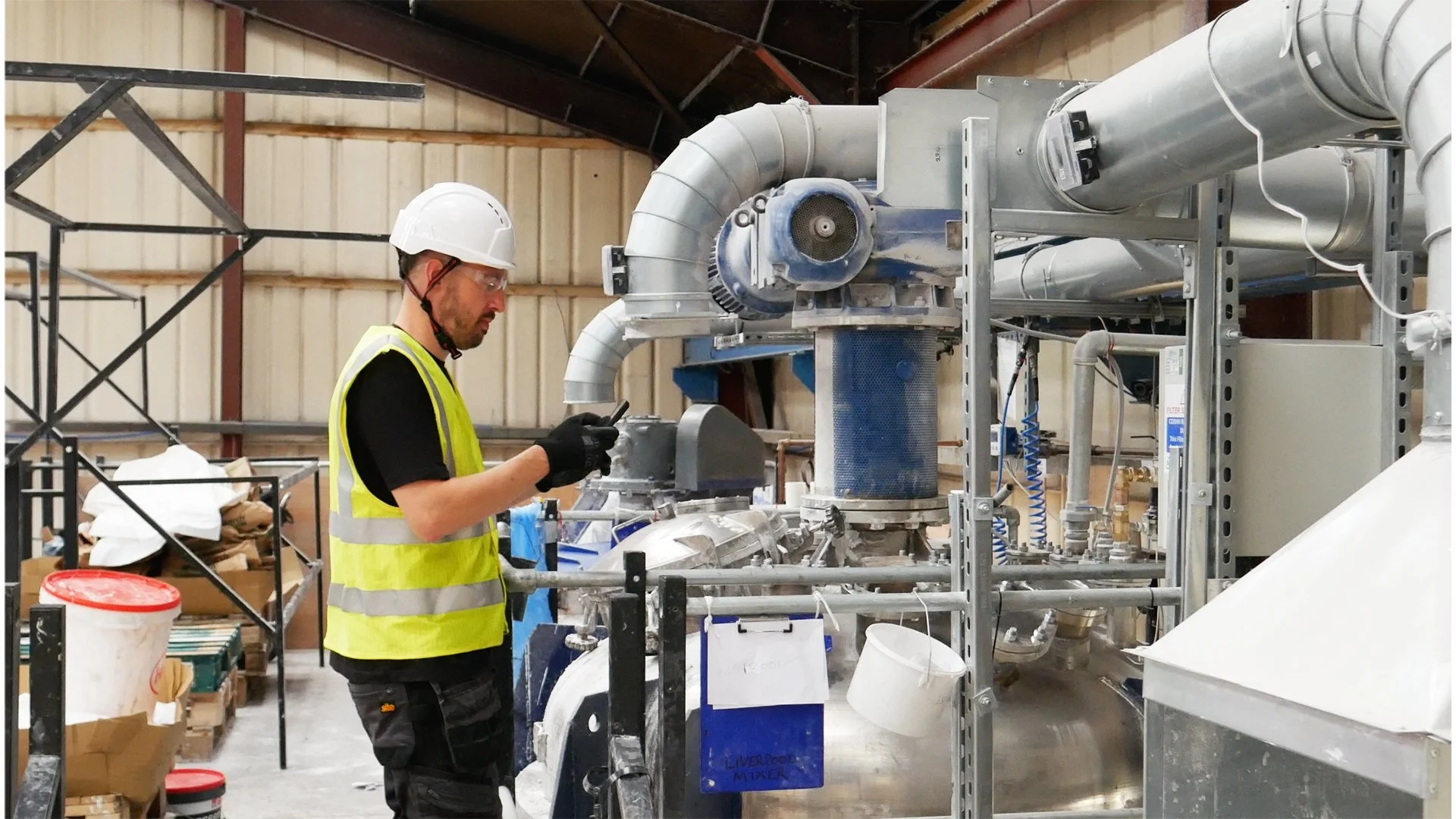
LEV Design & Installation
New extraction systems and changes to existing installations, from our Chorley team across Manchester, Lancashire and the UK.
What we agree: process requirements, equipment and ductwork, installation scope, commissioning checks and handover information.
For a quote: send your site postcode, process, materials, layout and available space. Cost depends on the design, equipment and access required.
Request an installation quote. We aim to respond within 2 hours during business hours.
Read about commissioning and handover.
Planning an LEV Installation
Define the Process
Describe the materials, tasks and contaminants involved, including how often the process runs and how workers interact with it.
Plan Capture Points
Position and shape extraction hoods to suit the source and working method. Consider movement, access and draughts that could affect capture.
Match the Equipment
Ductwork, filters and fans must suit the required performance and contaminants. The design should also consider cleaning, inspection and replacement parts.
Coordinate the Work
Discuss the available space, installation access, working hours and site requirements. These help establish a practical scope and programme.
Check Performance
Commissioning should demonstrate that the installed system meets its intended performance. Keep the results and operating information for future examinations.
Plan Ongoing Care
Arrange user checks, maintenance and periodic examination. Review the extraction when processes, materials or working methods change.
Installation and Ongoing Support
Premier LEV supports system design, installation, LEV testing and servicing and repairs. We are based in Chorley, Lancashire, and work with businesses across the UK.
Send your site location, process details and any existing drawings or reports so we can discuss your requirements. Ask about an LEV installation.
Frequently Asked Questions
-
Start with the substances, how contaminants are generated, the tasks and required exposure control. Design the hood, ductwork, air cleaning, fan and discharge as a coordinated system, and agree how intended performance will be demonstrated at commissioning.
-
LEV is used across manufacturing, woodworking, welding, laboratories and other workplaces where the risk assessment identifies a need for source extraction. The appropriate control measures depend on the substances and tasks; industry type alone does not determine the design.
-
The programme depends on the agreed design, equipment lead times, site access, installation work and commissioning scope. We will confirm timing for the actual project, including any required downtime.
-
Competent design helps match capture and extraction performance to the process and working method. Installation and commissioning must then assess the system against that design and intended performance. Correct use, checks, maintenance and periodic examination remain necessary.
-
Provide process and substance information, equipment layout, operator tasks and operating requirements. Use a competent designer to assess capture needs, filtration and discharge, access for maintenance and any specialist hazards before selecting equipment.
Start with the process and intended performance
Share your process description, substances, layout and operating requirements. Agree the design scope, commissioning checks and handover information before installation so there is a clear basis for assessing performance.