
LEV Testing in Manchester & Across the UK
LEV testing for workplace dust and fume extraction systems in Manchester, Lancashire and across the UK. Based in Chorley, our team provides thorough examination and testing, clear reports and practical advice on defects and follow-up work.
BOHS P601, P602 and P604 qualified team. See our testing and remedial-work case study.
Call 0161 884 4200 to discuss your system.
What Does LEV Testing Include?
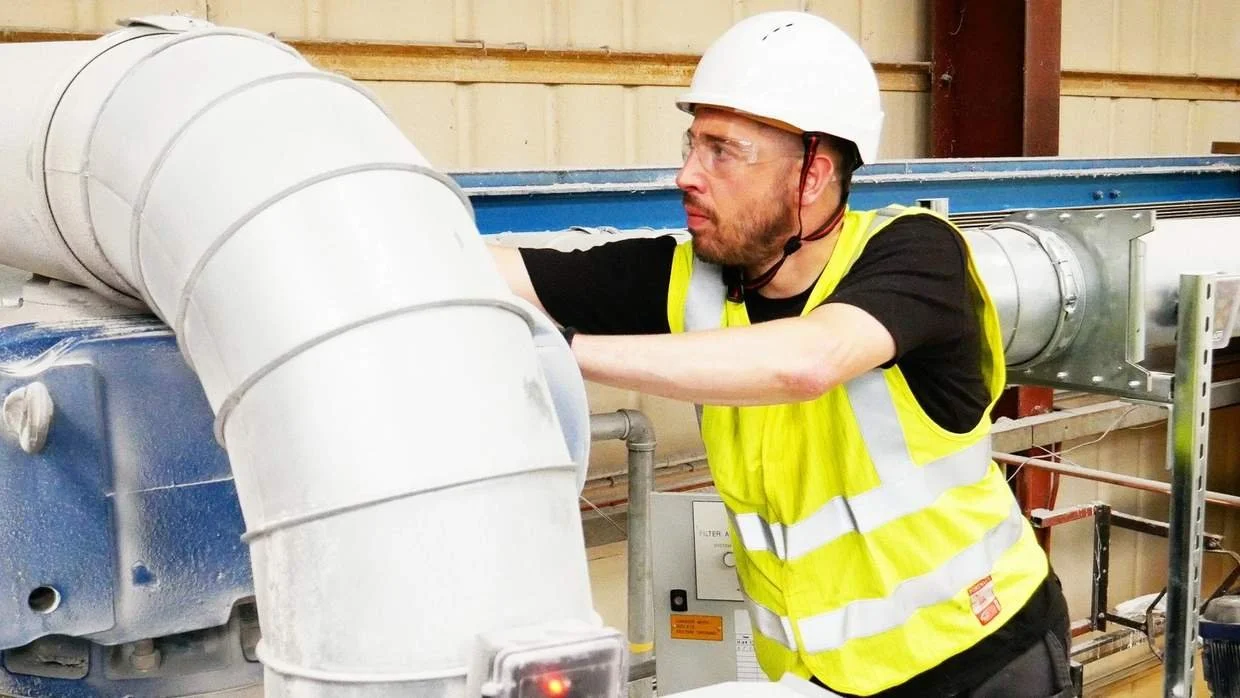
A thorough examination and test assesses the extraction system against its intended performance and the process it serves. We inspect the equipment and its use, take appropriate measurements and explain defects or limitations.
Inspection of hoods, ductwork, filters, fans and visible damage.
Airflow and pressure measurements appropriate to the system.
Assessment of contaminant capture during normal work, where safe and practical.
Review of available commissioning data, previous reports and maintenance records.
Your written report records the system assessed, test findings, identified defects and recommended actions. We explain any restrictions on what could be examined so you can plan the next steps.
Often called COSHH LEV testing, this examination checks performance; servicing maintains equipment and repairs address faults. A running fan alone does not demonstrate effective dust or fume control.
For specialist equipment, explore laboratory and cabinet testing and HEPA filter integrity testing. Where explosive-atmosphere hazards are relevant, we can also arrange ATEX inspections and DSEAR assessments through specialist engineers.
Planning Your LEV Test
Share Your System Records
Send your previous examination report, commissioning information and details of recent repairs or process changes. These help establish what the system should achieve.
Show Normal Working Conditions
Arrange access to the equipment and, where safe and practical, demonstrate the process in normal use. How operators position and use extraction matters to its performance.
Allow Safe Access
Tell us about access restrictions, working hours and site safety requirements when booking. The number of systems and test points will affect the time needed.
Understand Your Report
Read the findings and ask about anything unclear. The report should explain the assessed performance, any defects and the actions needed to address them. Read our LEV report content guide.
Act on Defects
Address problems promptly and assess whether affected work can continue safely. We can discuss remedial work and any checks needed after repairs or alterations.
Plan the Next Examination
Most LEV systems need thorough examination and testing at least every 14 months; some require shorter intervals. Keep examination records for at least five years. Routine maintenance is also needed between tests.
LEV Testing in Manchester, Lancashire and Across the UK
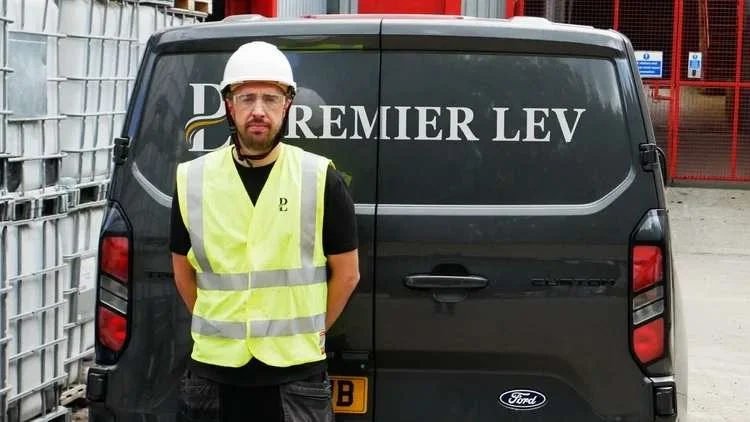
From our base in Chorley, we carry out LEV testing at customer sites across Greater Manchester, Lancashire and the UK. Send your site postcode, the number of extraction systems or hoods, the process they serve and your next examination due date so we can confirm the scope, access requirements and visit arrangements. Our registered office is for correspondence only; testing takes place at your workplace.
If an examination identifies defects, we explain the findings and discuss practical next steps. Our laser extraction case study shows how an unsatisfactory examination led to ductwork repairs and a subsequent satisfactory retest.
Explore LEV servicing and repairs, use our LEV testing quote checklist, or request a testing quote.
For independent guidance on employer responsibilities, read the HSE LEV guidance.
Prepare for your visit with our LEV testing preparation checklist (PDF). For ongoing records and supplier selection, download the annual compliance checklist, COSHH guide and questions to ask a testing company.
People and practical experience behind your LEV test
Robert Seed, Operations Director, is your contact for discussing the scope and arranging Premier LEV's testing and follow-up work. Robert is an Individual Member of the British Occupational Hygiene Society (BOHS). This is personal membership, not a testing qualification, company accreditation or BOHS endorsement.
Our qualified team holds BOHS P601 for thorough examination and testing, P602 for basic LEV design principles, and P604 for performance evaluation, commissioning and management of LEV systems. We match qualifications, practical experience and equipment to your system and the work required. Ask us for competence evidence relevant to your project.
Our work includes examining extraction systems, identifying defects and carrying out remedial work followed by further testing. Read about Premier LEV and how we work. When enquiring, ask us about the examiner and competence evidence relevant to your system.
From an unsatisfactory test to a recorded retest
On a laser-cutting extraction project, the initial examination recorded ineffective fume control, leaking duct joints, a loose connection and inadequate supports. Servicing the extraction unit did not resolve the overall unsatisfactory assessment.
Premier LEV replaced the spiral ductwork with clip-together ductwork and renewed the poor supports as part of a supplier-led project. A subsequent examination, with the laser operating, recorded a satisfactory assessment within that report's scope and limitations.
See the before-and-after photographs and full case study.
Before you book: LEV testing questions
What affects the cost?
The number of systems and extraction points, system complexity, access arrangements, site location and available records affect the scope. Send your postcode, system details and previous report so we can quote for your actual requirements. Use our testing quote checklist.
Will testing interrupt production?
We need to understand how extraction performs during normal work where safe and practical. Some checks may require equipment to be stopped or isolated. Tell us about production schedules and access restrictions so the visit and any necessary downtime can be agreed.
What will the report tell us?
It identifies the system examined, records relevant measurements and findings, and explains defects, limitations and recommended actions. A typical LEV examination report also records the process assessed, unavailable information, examiner and date, and the next examination timing. It should make clear what was tested, what was not tested and what action is needed next. Testing, servicing and remedial work are separate activities.
What if we have no previous report?
Tell us before the visit and send any system information or photographs you have. Missing commissioning or previous test data can limit comparisons with intended performance; we will discuss the available evidence and any further assessment needed.
What happens after an unsatisfactory result?
Use the findings to assess the risks and agree the necessary action. Do not assume affected work can continue safely. We can discuss repairs or alterations and the appropriate checks afterwards; a repair alone is not evidence of satisfactory performance.
LEV Testing Quote
To request an LEV testing quote, tell us your site location, the process being extracted, the number of systems or hoods and when the next examination is due. Mention access restrictions and whether previous reports are available.
For help preparing your enquiry, use our LEV testing cost and quote checklist.
Have a previous report or system photo? Use our enquiry form to include your file.
sales@premierlev.co.uk
0161 884 4200
We use your details to respond to your enquiry. Our Privacy Notice explains retention, advertising measurement, AI-assisted administration and your rights. Marketing sign-up is optional.