
Workplace Air Monitoring
Assess exposure to dust, fumes and vapours during your working tasks, with sampling, findings and a report explaining the scope and limitations.
For a quote: send your site postcode, substances, tasks and previous results. Cost depends on the sampling scope and assessment required.
Request air monitoring. We aim to respond within 2 hours during business hours.
Identify the Substances
Tell us what is used or produced by the process. Safety data sheets and process information help define the substances and tasks to assess.
Define the Tasks
Describe who carries out the work, how long tasks take and how conditions vary. This helps establish what the monitoring should represent.
Agree the Scope
Choose monitoring suited to the substances and assessment purpose. The report should explain what was sampled and any limitations of the findings.
Review the Findings
Interpret results alongside the work observed and relevant assessment criteria. Ask about unclear findings and decide what further action is needed.
Industrial Processes
We support monitoring for processes such as welding and machining. Share your requirements so we can discuss the substances and work to be assessed.
Review Exposure Controls
Use findings to inform your risk assessment and review extraction, working methods and other controls. Changes may require further assessment.
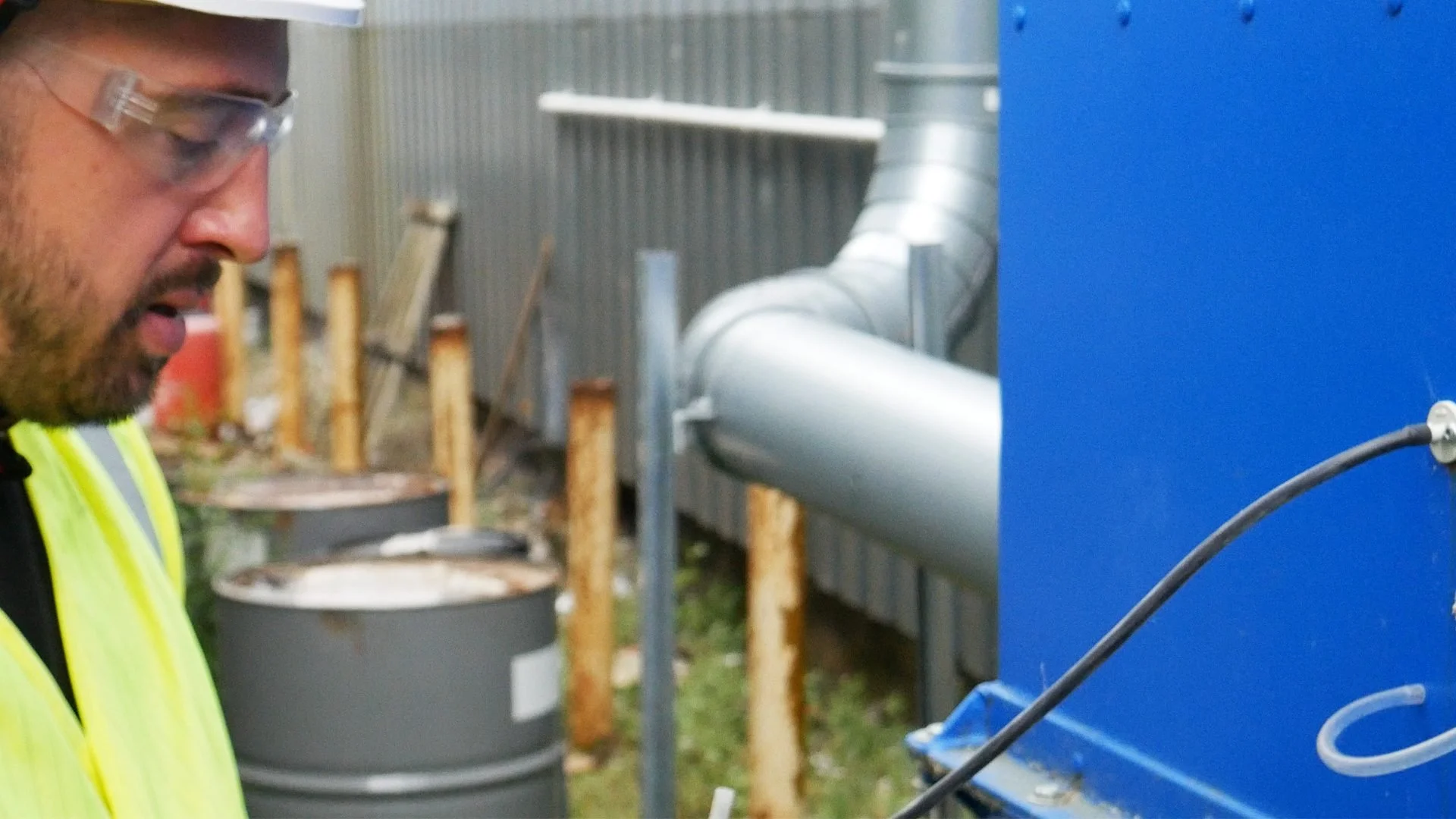
Monitoring and LEV Support
Air monitoring and LEV examination answer different questions. Monitoring assesses airborne exposure under sampled conditions; an LEV examination assesses extraction performance.
Premier LEV can discuss both services and practical follow-up work. Request workplace air monitoring with your site location, process details and substances of concern.
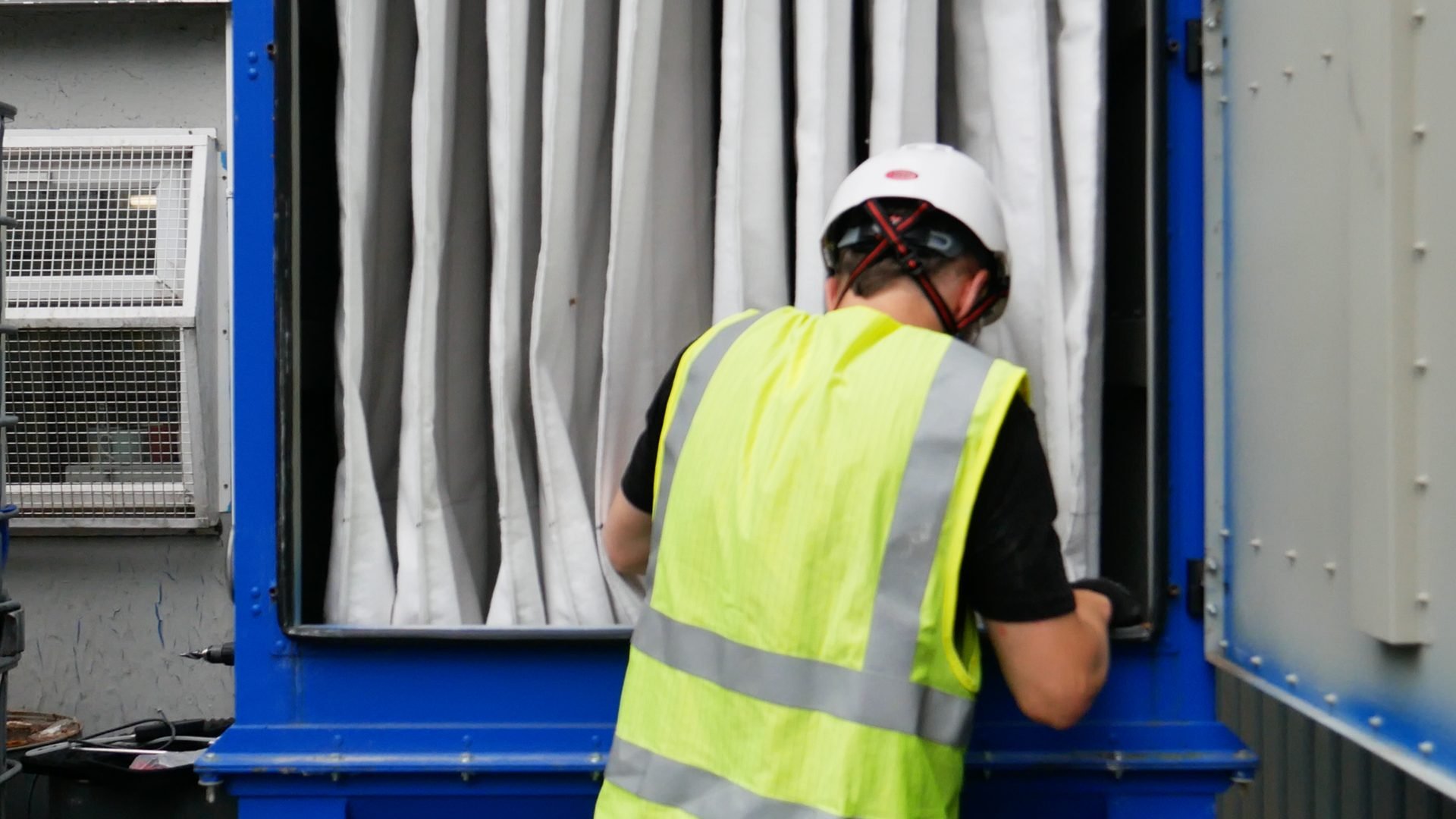
Frequently Asked Questions
-
Monitoring measures selected airborne substances under defined working conditions. Personal air sampling can assess worker exposure; static area measurements alone may not represent what a worker inhales. Results must be interpreted against the agreed method, relevant criteria and the work observed.
-
Monitoring can help assess whether exposure controls are adequate and whether further action is needed. It supports the COSHH assessment within the sampling scope and conditions; a result alone does not establish that every task is safe or that all legal duties are met.
-
The need for monitoring, the sampling method and the repeat frequency depend on the COSHH assessment, substances, tasks, exposure patterns and controls. Review the programme after relevant process or control changes. There is no universal annual testing rule for every workplace.
Make your monitoring enquiry useful
Share the substances used, tasks carried out and reason for monitoring. Include safety data sheets or previous results where available so the assessment can address the work and exposure questions that matter.