
LEV System Repairs and Retesting Services for Failed Examinations
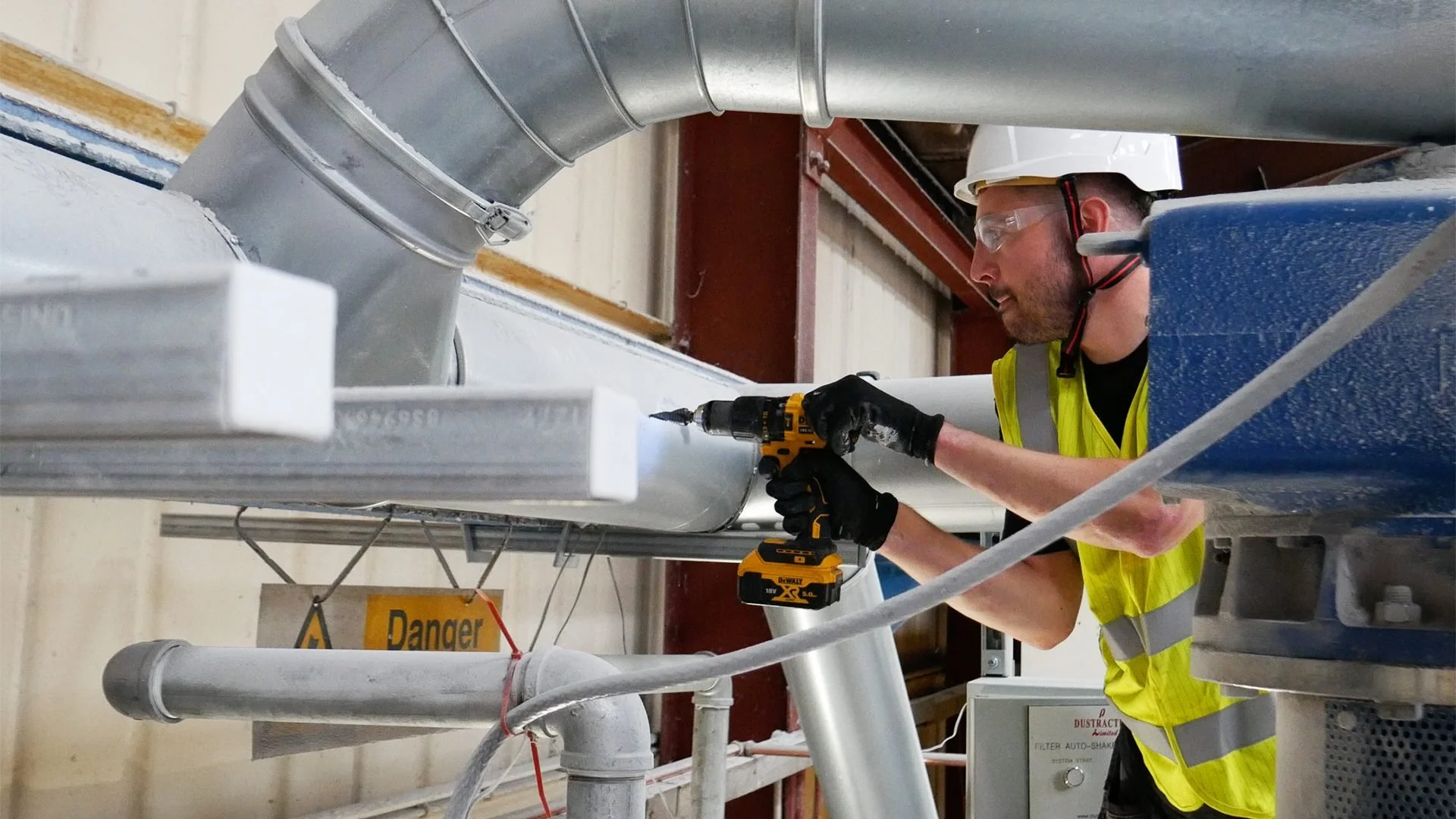
A failed LEV examination can feel like unwelcome news, but it's actually one of the most useful outcomes a thorough examination and test (TExT) can produce. It tells you, in clear and measurable terms, exactly where your local exhaust ventilation system is falling short and why it may no longer be protecting your workers the way it should. At Premier LEV, we see failed examinations regularly, and in almost every case, the issues can be identified, repaired, and retested without major disruption to your business. This post explains what a failed LEV examination actually means, the most common reasons systems fail, and how our repair and retesting services help you get back to full compliance quickly and confidently.
What Does It Mean When an LEV System Fails Its Examination?
When an LEV system is tested under COSHH Regulation 9, the examiner checks the system against its original design specification or a recognised benchmark standard. This involves a visual inspection of hoods, ducting, filters, and fan units, along with airflow and static pressure measurements taken at key points in the system.
A "fail" doesn't necessarily mean the entire system is broken. More often, it means one or more components are no longer performing within acceptable limits. This could be a hood that isn't capturing contaminants effectively, a duct that has lost too much pressure due to a blockage, or a filter that has reached the end of its useful life. Whatever the cause, a failed result means the system is not providing the level of protection it was designed to deliver, and that puts workers at risk of exposure to dust, fumes, or other hazardous substances.
The good news is that a failed examination is a diagnostic tool, not a dead end. It pinpoints the problem so it can be fixed.
Common Reasons LEV Systems Fail Examination
Over the years, we've seen the same handful of issues come up again and again. Understanding these can help you spot warning signs before your next scheduled test.
Reduced airflow. This is by far the most common cause of failure. Airflow can drop for many reasons: a blocked filter, a damaged or disconnected duct, a fan running below its rated speed, or even changes made to the system over time without proper reassessment. Reduced airflow means the system can no longer capture contaminants at the source, allowing them to escape into the breathing zone.
Hood positioning and damage. Hoods are often moved, knocked, or repositioned during day-to-day work, sometimes without anyone realising it has happened. Even a small shift in position can dramatically reduce capture efficiency. Physical damage such as dents, cracks, or worn edges can also affect performance.
Blocked or damaged ducting. Dust, debris, and material build-up inside ducts restrict airflow and increase resistance throughout the system. Leaks, holes, or disconnected sections allow air to escape before it reaches the filter or fan, reducing the system's overall effectiveness.
Worn or saturated filters. Filters that haven't been replaced or cleaned on schedule become clogged, restricting airflow and putting extra strain on the fan. In some cases, this can also lead to contaminants passing through the filter unfiltered.
Fan performance issues. Motors lose efficiency over time, belts wear out, and impellers can become coated with material, all of which reduce the fan's ability to generate the airflow the system needs.
System modifications without reassessment. Adding new extraction points, extending ductwork, or changing the process being controlled can all affect the balance of the system. If these changes aren't accounted for, the original design specification may no longer match how the system is actually being used.
What Happens After a Failed Examination
If your LEV system fails its examination, the report you receive from Premier LEV won't just say "fail" and leave it there. It will clearly outline which components didn't meet the required standard, what the measured readings were compared to the benchmark, and practical recommendations for what needs to be done to bring the system back into compliance.
From there, our team can guide you through the next steps. In many cases, the fix is straightforward, replacing a filter, repositioning a hood, sealing a duct leak, or adjusting fan settings. In other cases, more involved repairs may be needed, such as replacing sections of ductwork or addressing a fan that's reached the end of its working life.
Whatever the scope, the goal is the same: restore the system to a condition where it performs as intended, and then confirm that with a retest.
Our Repair Services
Premier LEV doesn't just identify problems, we fix them. Our experienced engineers are equipped to carry out a wide range of repairs on-site, including:
Replacing or cleaning filters and air cleaning devices
Repositioning, repairing, or replacing damaged hoods
Sealing leaks and repairing damaged sections of ducting
Clearing blockages from ducts and other system components
Servicing or replacing fan motors, belts, and impellers
Adjusting dampers and airflow balancing within the system
Because we carry out both testing and repairs, there's no need to bring in separate contractors or wait for multiple appointments. Our team can move from diagnosis straight to repair, minimising downtime and getting your system back into a compliant state as efficiently as possible.
We also take the time to explain what went wrong and why, so you understand the issue and can take steps to prevent it from recurring. Sometimes a simple change to maintenance routines or weekly visual checks can make a meaningful difference in preventing the same fault from coming back.
Retesting: Confirming the Fix Has Worked
Once repairs have been completed, the system needs to be retested. This isn't just a formality, it's the only way to confirm that the changes made have actually restored the system to a compliant standard. A retest involves repeating the relevant measurements, airflow, static pressure, and visual checks, and comparing the new results against the design specification or benchmark.
At Premier LEV, we build retesting into our repair process so there's no gap between fixing the issue and proving it's been fixed. You'll receive an updated report showing the new readings alongside the original failed results, giving you a clear before-and-after picture and the documentation you need for compliance records.
This is particularly important if your business is subject to inspection by the HSE or needs to demonstrate compliance to clients, insurers, or auditors. Having a clear paper trail, from initial failure, through repair, to a passing retest, shows that issues were identified and properly resolved, not ignored.
Why Acting Quickly Matters
It can be tempting to put off repairs, especially if the system still seems to be "working" on the surface. But a failed examination means the system is no longer providing the level of protection it was designed for, even if it doesn't look obviously broken. The longer a fault goes unaddressed, the greater the risk of worker exposure to harmful substances, and the more likely it is that a minor issue develops into a more significant and costly repair.
Acting promptly also keeps you within your compliance window. Under COSHH, systems must be examined and tested at least every 14 months (or every 12 months for certain processes, such as woodworking). If repairs and retesting drag on, you risk falling out of your compliance schedule altogether.
Get Back to Compliance with Premier LEV
A failed LEV examination isn't something to worry about, it's something to act on. With Premier LEV's combined repair and retesting services, you get a clear diagnosis, expert repairs carried out by experienced engineers, and proof that your system is back to performing as it should, all without the hassle of coordinating multiple contractors or appointments.
If your LEV system has recently failed its examination, or you'd like to schedule a thorough examination and test to find out where it stands, get in touch with Premier LEV today. We'll help you understand exactly what's needed, carry out the work efficiently, and get your documentation back on track, so your workplace stays safe, compliant, and running smoothly.