Local Exhaust Ventilation Inspection Checklist: What Every Employer Should Know
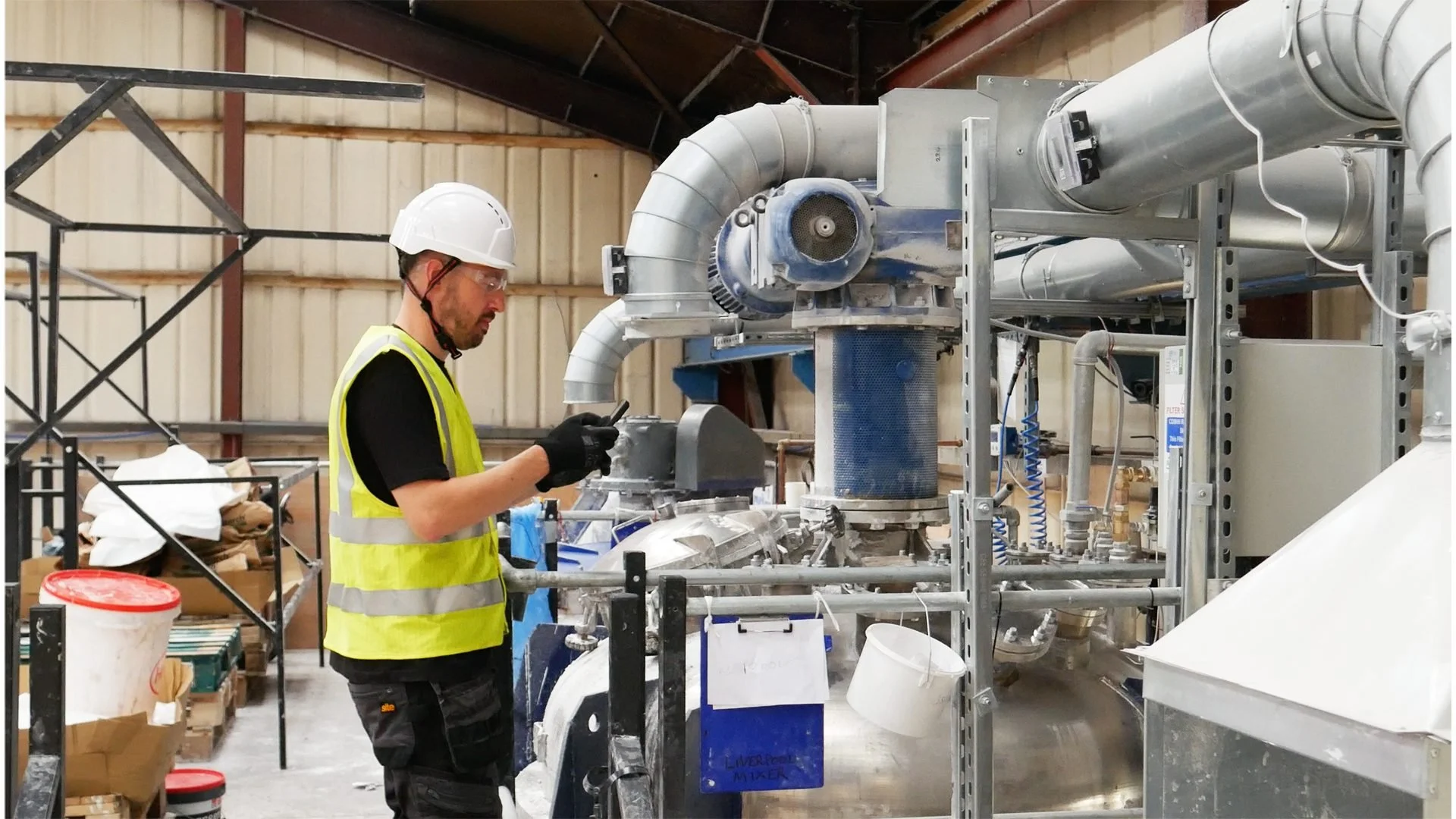
Workplace health and safety is not a box-ticking exercise it is a legal and moral obligation. For businesses that work with hazardous substances, dust, fumes, vapours, or gases, one of the most critical pieces of protective equipment on site is the local exhaust ventilation (LEV) system. Whether you are running a woodworking shop, a chemical processing facility, a welding bay, or a pharmaceutical production line, your LEV system stands between your workers and serious, sometimes fatal, respiratory conditions.
But here is the thing many employers miss: installing an LEV system is only the beginning. Keeping it working effectively requires regular, structured inspection and testing and that is where a solid inspection checklist becomes indispensable.
This blog walks you through everything you need to know about LEV inspection, what a thorough checklist should cover, your legal responsibilities under COSHH, and why professional COSHH LEV testing is not optional it is essential.
What Is Local Exhaust Ventilation and Why Does It Matter?
Local exhaust ventilation is a system designed to capture airborne contaminants such as dust, mist, fumes, vapours, and gases at or near their source, before they can spread into the breathing zone of workers or the wider environment. A typical LEV system includes a hood or enclosure (the capture point), ductwork, an air cleaner or filter, a fan or air mover, and an exhaust outlet.
When working correctly, LEV systems are among the most effective engineering controls available for managing workplace air quality. When neglected or poorly maintained, they can fail silently looking like they are working while offering little to no actual protection.
This is why inspection is not just good practice. It is a legal requirement.
The Legal Framework: COSHH and LEV
Under the Control of Substances Hazardous to Health (COSHH) Regulations 2002, employers in the UK have a clear duty to prevent or adequately control exposure to hazardous substances in the workplace. Where engineering controls like LEV are used as part of that control strategy, Regulation 9 specifically requires that:
LEV equipment is maintained in efficient working order and in good repair
A thorough examination and test of the LEV system is carried out at least every 14 months (or more frequently for certain processes)
Records of all examinations and tests are kept for at least five years
This is where COSHH LEV testing becomes a defined, regulated activity not simply a general maintenance check. It must be carried out by a competent person with the knowledge, skills, and experience to assess whether the system is functioning as designed and providing adequate protection.
Failing to comply with COSHH requirements can result in enforcement action from the Health and Safety Executive (HSE), improvement or prohibition notices, significant fines, and in the worst cases, prosecution particularly if a worker suffers harm as a result of inadequate controls.
What Does an LEV Inspection Actually Involve?
A thorough LEV inspection goes well beyond a visual glance at the hood and fan. It is a systematic evaluation of every component in the system, measured against the original design specification and current performance benchmarks. Here is what a comprehensive inspection and COSHH LEV testing process should cover:
1. Review of Design Specification and Previous Records
Before any physical inspection begins, a competent inspector will review the LEV system's original design specification sometimes called the "LEV commissioning report" along with records from previous examinations. This baseline tells the inspector what flow rates, capture velocities, and pressure measurements the system was designed to achieve. Without this reference, it is impossible to determine whether current performance represents a decline.
If you have recently arranged LEV installation UK and do not yet have a commissioning report, obtaining one should be your first priority.
2. Visual Inspection of All Components
Every visible element of the system is examined for signs of wear, damage, corrosion, blockage, or unauthorised modification. This includes:
Hoods and enclosures: Are they the correct type and size for the process? Are they positioned correctly relative to the contaminant source? Have they been modified, removed, or obstructed?
Ductwork: Are there visible signs of corrosion, holes, crushing, or poorly sealed joints? Has any additional ductwork been added without proper design assessment?
Filters and air cleaners: Are filter elements intact and within their service life? Is there evidence of bypass or filter failure?
Fan unit: Is the fan in good mechanical condition? Are there unusual vibrations or noises that might indicate bearing wear or blade damage?
Discharge point: Is the exhaust outlet positioned so that contaminated air cannot re-enter the building?
3. Performance Testing and Measurements
This is the technical heart of COSHH LEV testing. Using calibrated instruments, the inspector measures actual system performance and compares it against design values. Key measurements include:
Face velocity: The speed of air entering the hood, measured in metres per second. For enclosing hoods, a face velocity of around 0.5 m/s or above is often required, though this varies by process and substance.
Capture velocity: For receiving and capturing hoods that do not enclose the source, the velocity in the contaminant zone must be sufficient to overcome the momentum of the contaminant and direct it into the hood.
Static pressure: Measured at various points in the ductwork to identify blockages, leaks, or resistance issues.
Airflow volume: The total volume of air being moved through the system, expressed in cubic metres per second or litres per second.
Transport velocity: The speed of air within the duct, which must be high enough to prevent particles from settling and accumulating.
If any of these measurements fall significantly below design values, the system is not providing the level of protection it was designed to deliver even if it appears to be running normally.
4. Smoke or Tracer Gas Testing
In some cases, inspectors use smoke tubes or tracer gas to visually confirm that the LEV system is capturing contaminants effectively at the source. This is particularly useful for complex processes or where the hood geometry makes airflow assessment difficult by measurement alone.
5. Worker Practices and System Usage
An often-overlooked part of the inspection is observing how the LEV system is actually used in practice. Even a perfectly functioning system will fail to protect workers if:
Workers are not positioning themselves correctly relative to the hood
The hood is pushed aside to give more working room
The system is switched off during part of the process
Portable LEV units are not being positioned close enough to the source
A good inspection includes a conversation with operators and a review of working practices not just the hardware.
The Employer's LEV Inspection Checklist
Here is a practical checklist for employers to use as part of their routine management of LEV systems this is not a substitute for professional COSHH LEV testing, but it helps you monitor performance between formal examinations.
Weekly / Daily Checks (by operators or supervisors):
LEV system switched on before work begins and left running for an appropriate period after
Hood and capture point in correct position and free from obstruction
No unusual noises, smells, or visible dust/fumes escaping the capture zone
Filter indicator (if fitted) showing normal status
Any damage or modifications reported immediately
Monthly Checks (by a designated responsible person):
Visual inspection of ductwork for damage, loose joints, or corrosion
Confirmation that all hoods are present and undamaged
Check fan operation vibration, noise, airflow feel at hood
Review of any fault reports from operators
Confirm cleaning and maintenance records are up to date
Annual / 14-Monthly Checks (by a competent person — formal COSHH LEV testing):
Full design specification review
Measurement of face velocity, capture velocity, duct static pressure, and airflow volume
Physical inspection of all components including filter and fan internals
Smoke or tracer testing where appropriate
Written examination report issued and filed for HSE records
Any remedial actions identified, documented, and followed up
Choosing a Competent Person for LEV Testing
The HSE does not currently require LEV examiners to hold a specific licence, but competence is a legal requirement. A competent person should have:
Formal training in LEV assessment (such as the BOHS W601 qualification or equivalent)
Practical experience with your type of process and LEV system
Calibrated, maintained test instruments
The ability to produce a clear written report that identifies the system's current condition, any areas of concern, and recommended actions
When arranging LEV installation UK or procuring testing services, always ask for evidence of qualifications and experience relevant to your industry.
Common Reasons LEV Systems Fail Inspection
Understanding failure points helps you prevent them. The most frequent findings during COSHH LEV testing include:
Ductwork modifications made without design review, increasing resistance and reducing airflow
Filter elements not changed on schedule, causing pressure build-up and reduced extraction
Hoods relocated or altered to suit changed processes without reassessment
Fan belt wear or motor issues reducing fan speed and airflow volume
Corrosion or physical damage to ductwork creating air leaks
No commissioning report available, making it impossible to confirm whether performance has declined
After the Inspection: Acting on the Findings
Receiving an inspection report is not the end of the process it is the beginning of an action cycle. If a system is found to be underperforming, employers must:
Ensure workers are not exposed to hazardous substances while the system is inadequate alternative controls may be needed temporarily
Commission remedial work to restore the system to specification
Arrange a re-test to confirm the system is performing correctly following repairs
Update records and review whether working practices contributed to the failure
The HSE's EH40 guidance and HSG258 (Controlling Airborne Contaminants at Work) are essential reference documents for any employer managing LEV systems.
Final Thoughts
A local exhaust ventilation system is only as good as the maintenance and testing regime behind it. For employers, the inspection checklist is not a bureaucratic inconvenience it is your evidence that you are meeting your duty of care, protecting your workers from conditions like occupational asthma, silicosis, and other serious respiratory diseases that develop slowly and irreversibly.
Make COSHH LEV testing a non-negotiable part of your health and safety calendar. Review your LEV installation UK records, ensure your competent person is genuinely competent, and treat every inspection finding as an opportunity to improve not a criticism to defend against.
Your workers breathe the air in your workplace. Make sure it is safe.
Frequently Asked Questions
Q1: How often is LEV testing legally required under COSHH?
Under COSHH Regulation 9, most LEV systems must undergo a thorough examination and test at least every 14 months. However, some higher-risk processes such as those involving isocyanates or certain woodworking operations require testing every six months. Always check the specific legal interval for your industry and substances involved.
Q2: What is the difference between LEV maintenance and COSHH LEV testing?
Routine maintenance covers cleaning, filter changes, and basic operational checks carried out by in-house staff. COSHH LEV testing is a formal, technical examination carried out by a competent person, involving calibrated measurements of airflow, velocity, and pressure compared against the system's original design specification. Both are required maintenance keeps the system running, while testing confirms it is actually protecting workers.
Q3: Does LEV installation in the UK require any specific approvals or commissioning?
There is no single approval body for LEV installation UK, but any new system must be properly commissioned before use meaning its performance is measured and recorded to confirm it meets the design specification. This commissioning report becomes the baseline for all future COSHH LEV testing and must be retained.
Q4: Can I carry out LEV inspections using internal staff?
Routine visual checks and operational monitoring can be carried out by trained internal staff. However, the formal thorough examination required under COSHH must be conducted by a genuinely competent person typically an external specialist with relevant qualifications, such as a BOHS W601-trained examiner because it requires calibrated instruments and technical expertise most in-house teams do not have.
Q5: What should an LEV examination report include?
A compliant examination report should include the date of examination, a description of each component inspected, the measurements taken and how they compare to design values, any defects or areas of concern identified, the overall assessment of whether the system is performing adequately, and any recommended remedial actions with suggested timescales. Records must be kept for a minimum of five years.