
Choosing an LEV Maintenance Contractor: Qualifications and Practical Support
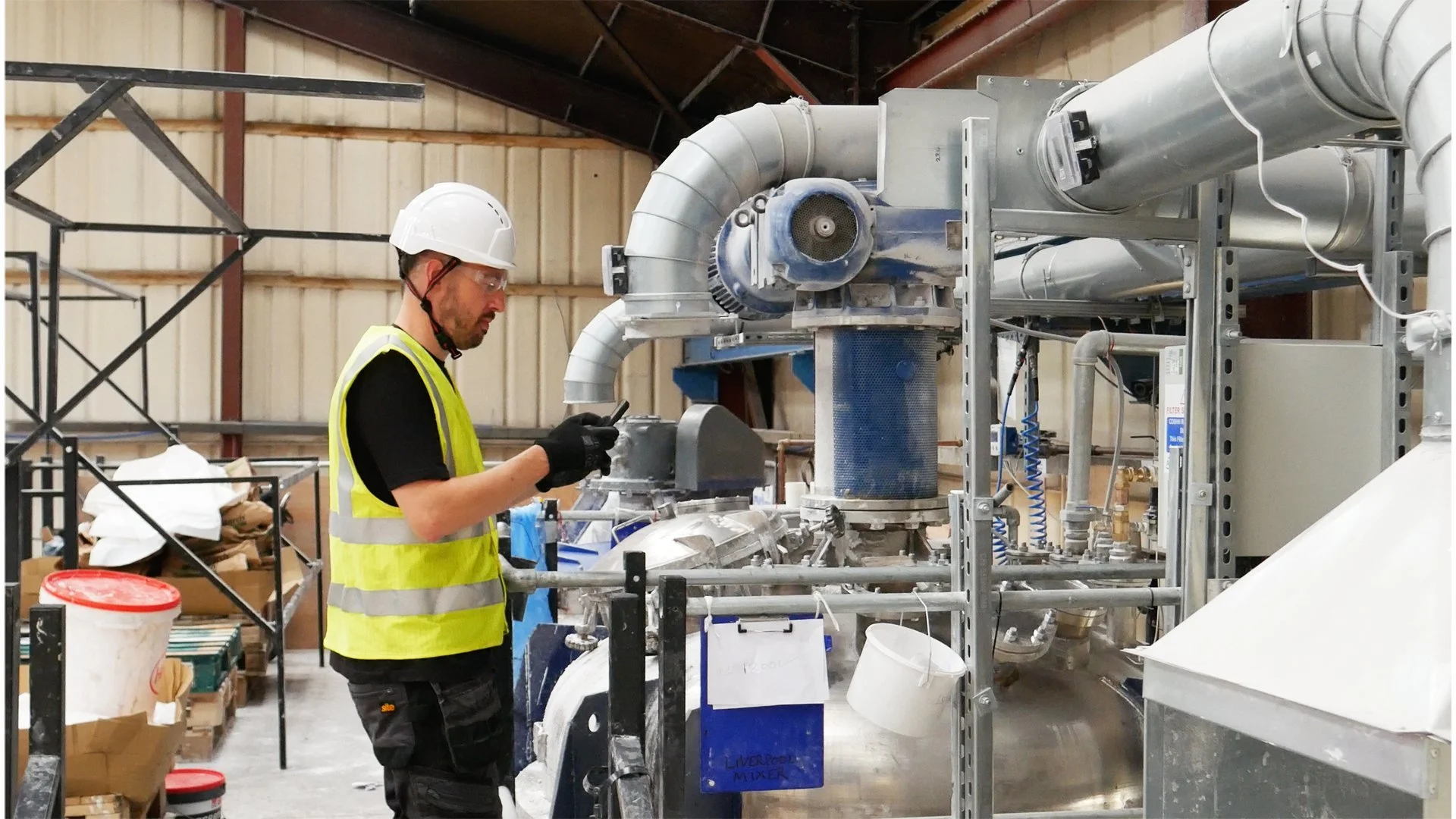
Choosing an LEV contractor starts with understanding the work you need and the expertise required to carry it out. Local exhaust ventilation controls dust, fumes and other airborne contaminants at the process. Its performance depends on suitable design, correct use, maintenance and effective examination.
Look for competence relevant to your system
Ask about the knowledge, skills and experience of the people carrying out the work. Relevant qualifications are useful evidence, alongside practical experience with your processes, contaminants and extraction equipment. HSE’s LEV guidance explains how to select competent support.
Company accreditation, professional membership and an individual engineer’s qualification describe different things. Ask what a claimed credential covers and whether it is relevant to the service you are buying.
Qualifications available through Premier LEV
Premier LEV delivers its services through engineers, including specialist subcontract engineers working on the company’s behalf, with relevant LEV and occupational hygiene qualifications. Qualifications held across this engineering resource include:
BOHS P601 — thorough examination and testing of local exhaust ventilation systems.
BOHS P602 — basic design principles of local exhaust ventilation systems.
BOHS P604 — performance evaluation, commissioning and management of local exhaust ventilation systems.
W501 — measurement of hazardous substances, supporting workplace exposure monitoring.
W503 — noise measurement and its effects.
The appropriate expertise depends on the agreed work. These are qualifications held by engineers delivering services through Premier LEV; they are not a claim of company accreditation. Discuss your requirements with us so the scope and relevant expertise can be confirmed.
Distinguish servicing from examination and testing
LEV servicing and maintenance can include cleaning, inspection, fault finding, repairs and replacement components. A thorough examination and test assesses the system’s performance and condition. Workplace air monitoring measures exposure using an appropriate sampling strategy. Agree which activities are included before booking.
Ask for clear reporting and follow-up
A useful report explains what was examined, the conditions during testing, the findings and the actions needed. Ask how urgent defects will be communicated, what records you should keep and whether repairs or further checks require a separate quotation.
Previous reports, commissioning information and maintenance records help the examiner understand intended performance. Tell the contractor about system alterations, new processes, damaged ducting, reduced airflow or recurring filter problems.
Agree practical arrangements before the visit
Provide the site location, number of systems and extraction points, operating hours and access restrictions. Explain when processes can run and when downtime can be arranged. The time needed depends on system complexity, access and the agreed scope.
Use our LEV testing quote checklist to prepare the information and compare quotations on the same basis.
Talk to Premier LEV
Based in Chorley, Lancashire, Premier LEV supports workplaces across the UK with LEV testing, servicing, remedial work, design and installation support, spare parts and air monitoring.
Contact us about your extraction system or call 0161 884 4200. We will help clarify the work required and the next step.